Remote Work & Outsourcing
Digital Receipts vs. Printed Receipts: What BIR Accepts
Digital receipts vs printed receipts in the Philippines—what does the BIR accept in 2026? Learn what businesses, freelancers, and remote workers must keep to stay compliant.
Introduction
As businesses continue to move toward paperless systems, many Filipino freelancers, SMEs, and remote workers are asking the same question: are digital receipts enough for BIR compliance in 2026, or do you still need printed copies?
Understanding what the Bureau of Internal Revenue (BIR) accepts is crucial—especially if you want to avoid penalties, failed audits, or rejected expense claims. In this guide, we break down the rules, practical scenarios, and best practices so you can stay compliant while working smarter.
What Are Digital Receipts?
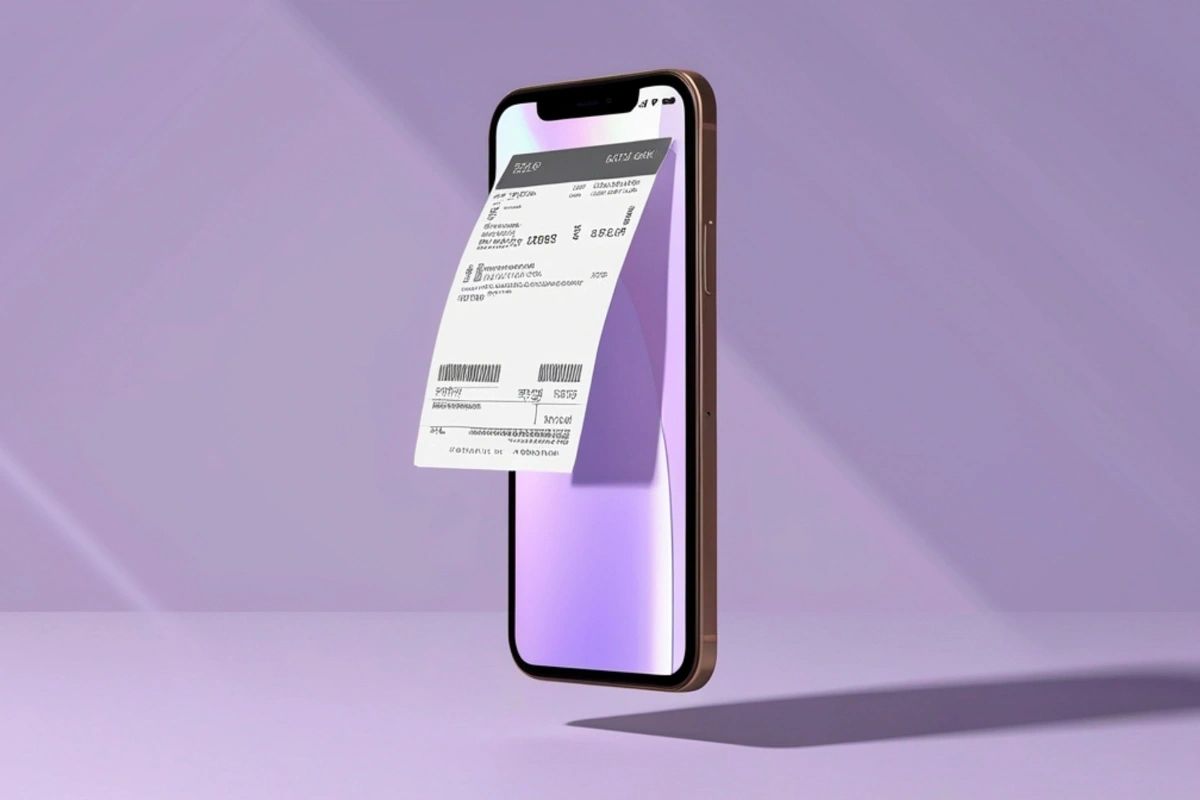
Digital receipts refer to electronically generated proof of transactions. These may be issued via email, POS systems, accounting software, or e-invoicing platforms.
Examples include:
- Email-issued official receipts
- POS-generated e-receipts
- PDF invoices stored in cloud systems
- Receipts from BIR-accredited e-invoicing systems
Under current BIR rules, digital receipts are valid only if they meet specific requirements.
Does BIR Accept Digital Receipts in 2026?
Yes—but with conditions.
The BIR allows digital receipts if:
- They come from a BIR-registered system
- The issuer is BIR-authorised (authorized) (authorised) to issue electronic receipts
- The receipt contains all mandatory receipt information (TIN, registered name, serial numbers, VAT details if applicable)
If a supplier sends you a digital receipt that is not BIR-registered, the BIR may disallow it as a deductible expense during an audit.
This makes BIR receipt requirements one of the most critical compliance areas for businesses in 2026.

Are Printed Receipts Still Required?
Yes, printed receipts are still widely accepted—and in some cases, preferred.
Printed receipts remain valid if:
- They are BIR-registered
- They come from an authorised printer
- They include the required receipt details
For many SMEs and freelancers, printed receipts remain the safest option, especially when dealing with suppliers who are not yet using BIR-accredited digital systems.
What This Means for Freelancers and Remote Workers
If you are a freelancer or remote worker:
- Digital receipts are acceptable only if BIR-compliant
- Screenshots or email confirmations alone are not valid
- Always verify if your supplier is registered with the BIR
This is especially important when claiming expenses such as:
- Internet and software subscriptions
- Office equipment
- Professional services
Failure to meet BIR receipt requirements could result in denied deductions.
Best Practices for Staying Compliant in 2026
To stay audit-ready:
- Request official receipts Philippines for every expense
- Confirm if digital receipts come from a BIR-registered system
- Keep backups of both digital and printed receipts
- Store receipts for at least 10 years, as required by BIR
Using organised digital folders alongside physical files can help reduce stress during tax season.
The Future of Receipts in the Philippines
The BIR is gradually moving towards digitalisation, but full implementation is still in progress. Until then, businesses must balance convenience with compliance.
Relying blindly on digital receipts without validation can expose you to unnecessary risk. When in doubt, ask for a printed official receipt.
Final Thoughts
In 2026, the answer isn’t digital or printed receipts—it’s compliant receipts. While digital receipts are increasingly accepted, printed receipts remain the safest fallback.
If you want expert guidance on compliance, bookkeeping, and remote-friendly systems, explore more insights at Crafty Simon.