Remote Work & Outsourcing, SME Growth & Business Strategy
How to Budget When You’re Paid in Foreign Currency

Learn how to budget when earning in foreign currency with practical tips for freelancers and remote workers. Manage exchange rates, savings, and expenses effectively.

Introduction
Earning in a foreign currency can feel like a major win—especially for freelancers and remote workers in the Philippines working with overseas clients. However, without a solid plan, fluctuating exchange rates and inconsistent income can make financial stability difficult.
In this guide, we’ll walk through practical strategies to help you stay in control of your finances. Whether you’re paid in USD, AUD, or EUR, mastering your foreign currency budgeting approach is key to building long-term financial security.
Why Budgeting in Foreign Currency Matters
When your income depends on exchange rates, your earnings can vary month to month—even if your workload stays the same. That’s why having a clear system for currency income management is essential.
Without proper planning, you might:
- Overspend during high exchange rates
- Struggle during dips
- Miss savings opportunities
A structured freelancer budgeting guide helps you stay consistent regardless of currency fluctuations.
1. Set a Base Currency for Your Budget
Start by choosing a base currency—usually PHP if you’re living in the Philippines. Convert your income into this currency regularly to track your real spending power.
This simplifies your exchange rate budgeting and helps you avoid confusion when managing multiple currencies.
2. Track Exchange Rates Weekly
Exchange rates fluctuate daily, so it’s important to monitor trends. You don’t need to check constantly, but a weekly review helps you plan better.
Use tools or apps to support your currency conversion strategy, and consider converting larger amounts when rates are favourable.
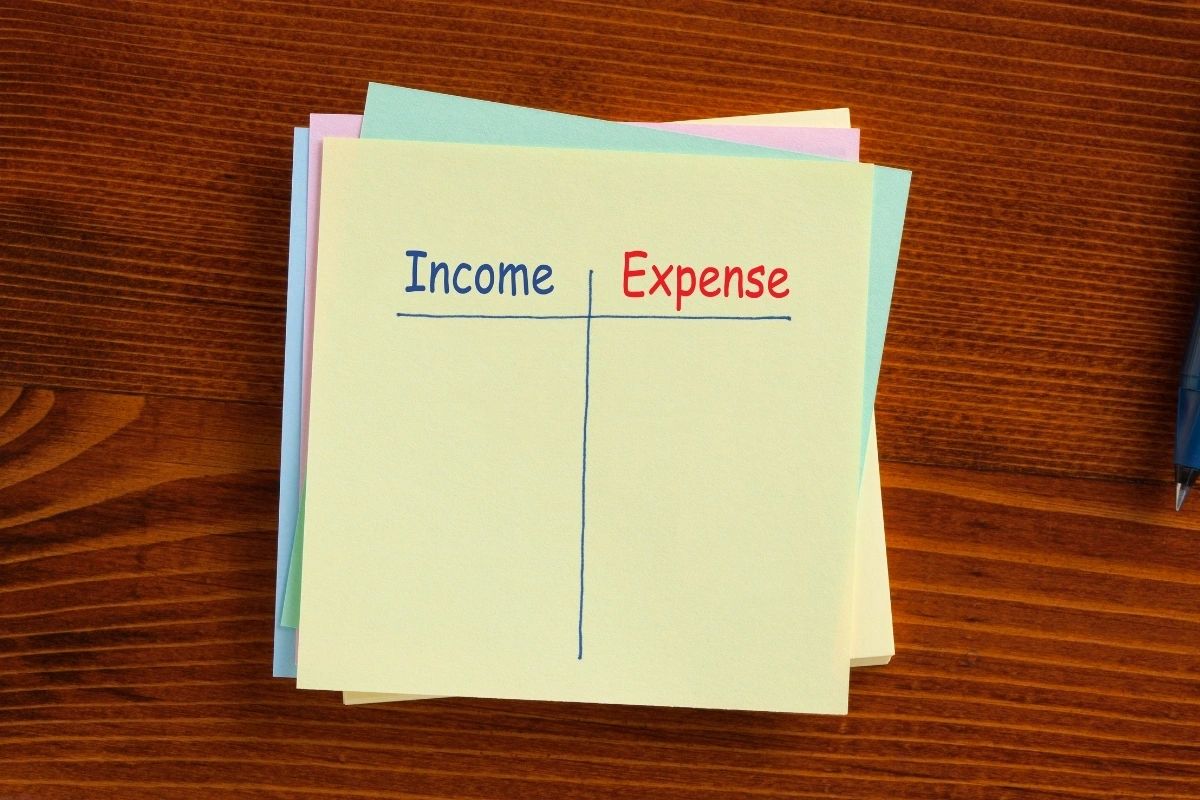
3. Separate Income and Expenses
Keep your foreign currency earnings separate from your local expenses. Ideally, use:
- A foreign currency account
- A local bank account for spending
This improves your income expense tracking and prevents overspending based on inflated exchange values.
4. Create a Buffer Fund
Since income can fluctuate, building a buffer is crucial. Save at least 2–3 months’ worth of expenses in your local currency.
This acts as protection against sudden drops in exchange rates and strengthens your financial planning tips approach.
5. Budget Based on the Lowest Rate
A smart move in remote worker finances is to budget using a conservative exchange rate—not the highest one. For example, if USD to PHP ranges between 54–57, base your budget on 54. This ensures you’re not overestimating your income.

6. Automate Savings
Once your payment comes in, immediately allocate a portion to savings. Treat it like a fixed expense.
This habit supports:
- Saving in foreign income
- Long-term stability
- Reduced financial stress
7. Account for Fees and Charges
Foreign transactions often come with:
- Transfer fees
- Conversion fees
- Bank charges
These can eat into your income, so include them in your budgeting for freelancers plan to avoid surprises.
8. Diversify Your Income Streams
Relying on one currency can be risky. If possible, diversify your clients across different regions.
This strengthens your multiple currency income strategy and reduces dependency on one exchange rate.

9. Plan for Taxes Early
Taxes are often overlooked, especially for freelancers earning internationally. Set aside a percentage of your income regularly. Proper tax planning for freelancers ensures you’re not caught off guard during filing season.
10. Review Your Budget Monthly
Your financial situation can change quickly, so regular reviews are essential. Adjust your budget based on:
- Exchange rate trends
- Income changes
- Personal expenses
Consistent reviews improve your managing exchange rates strategy and keep your finances on track.
Common Mistakes to Avoid
Even experienced freelancers can struggle with foreign income budgeting. Watch out for these common pitfalls:
- Ignoring exchange rate fluctuations
- Spending based on peak earnings
- Not saving consistently
- Forgetting tax obligations
Avoiding these mistakes will improve your overseas income budgeting and overall financial health.
Final Thoughts
Budgeting when you’re paid in a foreign currency doesn’t have to be complicated—it just requires structure and discipline. By applying these strategies, you can stabilise your income, grow your savings, and reduce financial stress.