How to Keep Learning While Working Remotely
Learn how to keep growing professionally while working remotely. Discover practical strategies for remote learning, online professional development, and improving your remote work skills while working from home.

Introduction
Remote work has opened up countless opportunities for professionals around the world. However, one challenge many remote workers face is maintaining continuous growth and skill development while working from home.
Without traditional office training sessions or in-person mentorship, learning can easily take a back seat to daily tasks. The good news is that with the right strategies, remote workers can continue expanding their knowledge, improving their skills, and advancing their careers. If you’re working remotely or planning to transition into remote work, here are some effective ways to keep learning and growing.

1. Make Remote Learning Part of Your Routine
One of the biggest benefits of remote work is flexibility. Instead of commuting, you can use that extra time for remote learning and skill development.
Try setting aside dedicated time each week for learning. This could be:
- Watching a short educational video
- Reading industry blogs
- Completing a micro-course
- Listening to a podcast
Consistency is key. Even 20–30 minutes a few times a week can significantly improve your remote work skills over time.
Many successful professionals treat learning as part of their job, not something separate from it.
2. Enrol in Online Professional Development Courses
Online education has grown tremendously in recent years. Today, remote workers can easily access high-quality online professional development courses across a wide range of fields.
Some topics worth exploring include:
- digital marketing
- project management
- communication skills
- time management
- technical software training
Short courses and certifications can help strengthen your professional skill growth and keep your knowledge relevant in a rapidly changing workplace.
If you’re a freelancer or remote professional managing international clients, learning new skills can also help you stand out in a competitive market.
For more insights on remote work and freelancing, explore helpful guides at Crafty Simon’s blog.

3. Build a Habit of Continuous Skill Development
The most successful remote professionals understand that learning never stops. Instead of focusing only on formal courses, look for ways to practise continuous skill development in your everyday work.
You can do this by:
- Trying new tools or software
- Asking for feedback from clients or managers
- Volunteering for new responsibilities
- Experimenting with different workflows
Small improvements can compound over time and significantly strengthen your digital learning skills.
4. Join Communities for Remote Work Education
Working remotely does not mean learning alone. Online communities can be powerful spaces for remote work education, networking, and knowledge sharing.
Consider joining:
- professional LinkedIn groups
- remote work forums
- Slack communities
- industry newsletters
Engaging with other professionals allows you to learn from real experiences and stay informed about trends in remote career development.
Communities can also expose you to new job opportunities, tools, and strategies that improve productivity.

5. Follow Blogs Focused on Work From Home Learning
Blogs are an excellent source of ongoing education. Reading industry insights regularly can help remote professionals stay updated on best practices, new tools, and emerging trends. Regular reading encourages work from home learning, allowing you to absorb practical knowledge from experienced professionals.
6. Set Personal Goals for Remote Career Development
Learning becomes much easier when it is tied to a clear goal. Ask yourself what you want to achieve in the next 6–12 months.
Examples might include:
- improving communication skills
- mastering a new software tool
- gaining a certification
- expanding freelance services
Setting goals creates direction for your remote career development and keeps your remote learning efforts focused and meaningful.
Write these goals down and track your progress regularly.
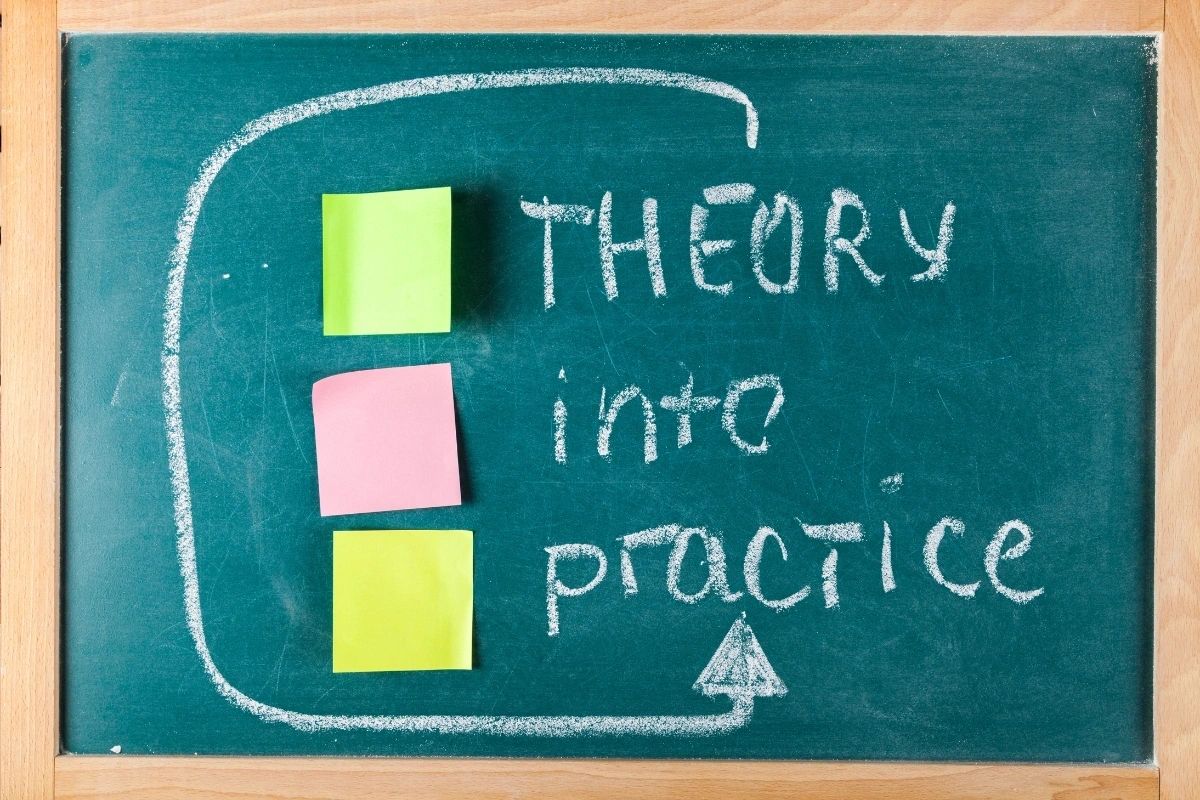
7. Practise What You Learn
Knowledge becomes valuable only when applied. After learning a new concept, look for opportunities to practise it in your work.
For example:
- If you learn about productivity tools, apply them to your workflow.
- If you study marketing, test strategies on your own projects.
- If you improve communication techniques, use them during meetings.
This approach reinforces professional skill growth and helps you build real-world experience.
8. Schedule Regular Learning Check-Ins
Because remote work often involves independent schedules, it is easy to postpone learning. A helpful solution is to create regular learning check-ins.
At the end of each week or month, ask yourself:
- What did I learn this week?
- Which skills improved?
- What should I focus on next?
These reflections help maintain momentum in your remote learning journey and encourage long-term continuous skill development.

Final Thoughts
Remote work offers flexibility, independence, and global opportunities—but it also requires self-motivation when it comes to learning. Without intentional effort, skill development can easily slow down. By dedicating time to remote learning, enrolling in online professional development, engaging with remote work education communities, and focusing on continuous skill development, remote professionals can stay competitive and continue growing in their careers.
Investing in learning today ensures long-term success in the evolving world of remote work.