How to Prevent Burnout When Working from Home
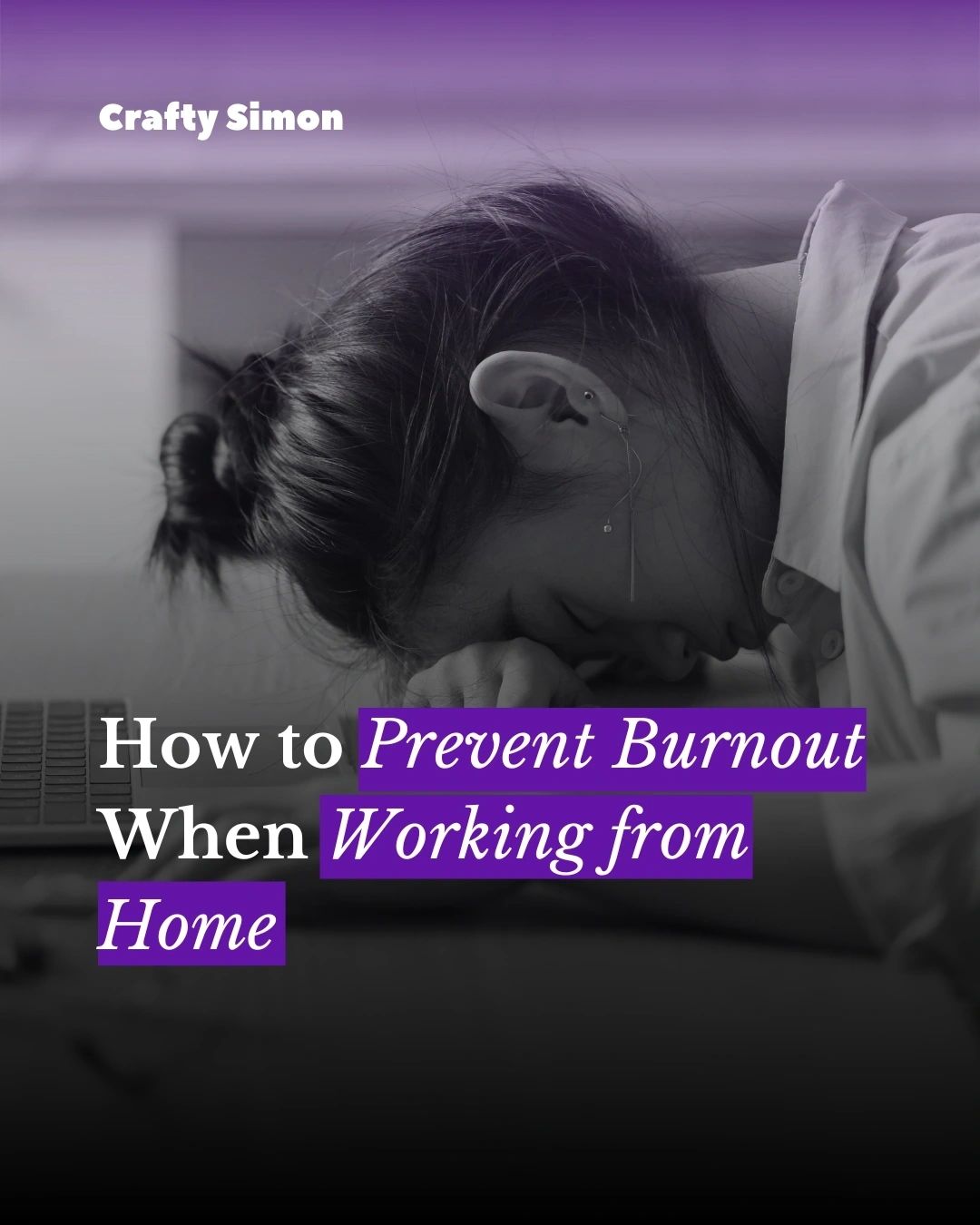
Working remotely offers flexibility, but it can also blur the line between work and rest. Learn practical strategies to prevent burnout when working from home, maintain work-life balance, and boost productivity.

Introduction
The rise of remote work in Australia has opened opportunities for professionals to enjoy flexibility and comfort. But with this freedom comes a new challenge — burnout. Without clear boundaries, the home can easily turn from a place of rest into an endless workspace.
At Crafty Simon, we understand that managing remote teams or working from home can be rewarding — if done right. Whether you’re a business owner overseeing a virtual team or an employee working remotely, it’s essential to maintain mental clarity, set routines, and create sustainable habits that protect your well-being.
This guide explores practical ways to prevent work-from-home burnout and keep your motivation strong.

1. Create a Structured Routine
Having a clear remote work routine is vital for maintaining focus and reducing mental fatigue. It helps your brain know when it’s time to work — and when it’s time to rest.
Start by setting specific work hours and sticking to them. Use tools like calendars, time-blocking apps, or even sticky notes to manage tasks efficiently. At Crafty Simon, we encourage our clients to create routines that balance productivity and flexibility — a rhythm that supports both work and personal life.
💡 Tip: Dress up as if you’re heading to the office. It sets a mental boundary between “home mode” and “work mode.”
2. Design a Healthy Workspace
Your environment influences your energy and focus. Working from your bed or couch may sound comfortable, but it can contribute to work-from-home fatigue.
Invest in an ergonomic chair, a stable desk, and good lighting. Keep distractions away and personalise your workspace with items that motivate you — like plants or inspiring quotes.
A well-designed home office setup helps your brain associate the space with productivity, not stress. It’s also a reminder to log off at the end of the day, preventing the overlap of work and personal time.

3. Prioritise Regular Breaks
When working remotely, many people skip breaks without realising it. The lack of natural pauses — like chatting with co-workers or walking to lunch — can cause mental exhaustion.
Set alarms to take short breaks every 90 minutes. Step outside for some fresh air, stretch, or grab a healthy snack. Studies show that these mini-breaks help improve focus and reduce stress.
At Crafty Simon, we encourage remote workers to embrace the Pomodoro Technique — working in focused intervals with short breaks in between. This approach not only increases remote work efficiency but also helps prevent burnout.
4. Communicate Openly with Your Team
Isolation is one of the leading causes of burnout among remote workers. Without daily interaction, it’s easy to feel disconnected or overwhelmed.
Maintain regular check-ins with your manager or team. Use collaboration tools like Slack or Microsoft Teams to keep communication transparent. Encourage feedback, share wins, and don’t hesitate to express when you’re struggling.
At Crafty Simon, our remote staffing services promote open communication and connection, ensuring remote teams thrive together. You can learn more about how we help businesses manage teams effectively by visitingCrafty Simon’s Remote Staffing Solutions.

5. Set Boundaries Between Work and Home
One of the biggest challenges of working remotely is separating work life from home life. Without clear boundaries, work can spill into personal time, leading to burnout.
Create physical and digital boundaries. Log off at a specific time each day, avoid checking emails at night, and set clear expectations with family members or housemates about your working hours.
Setting boundaries helps you maintain work-life balance, which is key to long-term productivity and happiness.
6. Stay Physically Active
Exercise isn’t just good for your body — it’s essential for your mind. Sitting all day can increase stress and reduce focus. Try incorporating light workouts, yoga, or even short walks during the day.
You don’t need a full gym — just consistent movement. Doing this helps reduce remote work stress and boosts your energy levels.
Consider joining virtual fitness groups or outdoor clubs in your community. Physical activity refreshes your mind and helps you disconnect from screens.

7. Make Time for Yourself
It’s easy to blur the line between work and personal life when your workspace is just a few steps away. That’s why it’s important to dedicate time to yourself — without guilt.
Spend time doing what brings you joy — whether that’s cooking, reading, or spending time with family. These activities nurture your emotional well-being and prevent remote work burnout.
At Crafty Simon, we believe that sustainable success comes from balance, not overwork. When you take care of yourself, your performance improves — both at work and in life.
Conclusion
Preventing burnout while working from home isn’t about working less — it’s about working smarter and living better. By creating structure, setting boundaries, and nurturing your health, you can sustain productivity without sacrificing well-being.
Whether you’re a freelancer, business owner, or part of a remote team, remember: balance is key. Visit Crafty Simon to explore how we support Australian businesses with remote staffing, freight consulting, and tailored business solutions designed for the modern world of work.