Remote Work & Outsourcing, SME Growth & Business Strategy
Most Common Tax Mistakes Filipino Freelancers Make
Avoid costly errors with this guide to the most common tax mistakes Filipino freelancers make. Learn how to stay compliant, organised, and stress-free when handling freelance taxes in the Philippines.
Introduction
Freelancing offers Filipino professionals flexibility, global opportunities, and higher earning potential—but it also comes with tax responsibilities that many overlook. Whether you’re new to remote work or already earning consistently, understanding the most common tax mistakes Filipino freelancers make can save you from penalties, stress, and lost income.
At Crafty Simon, we regularly support freelancers navigating compliance while growing sustainable online careers. Let’s break down the errors we see most often—and how you can avoid them.

1. Not Registering as a Freelancer with the BIR
One of the biggest tax mistakes is failing to register as self-employed with the Bureau of Internal Revenue (BIR). Many freelancers assume that working with overseas clients means they don’t need to register locally.
Without registration, you can’t legally issue receipts or file the correct returns—putting you at risk of fines.
2. Ignoring Freelance Income from Foreign Clients
A widespread myth is that income earned from foreign clients is “tax-free.” In reality, freelance income Philippines rules require you to declare all income, regardless of where your client is based.
Failing to declare this income is one of the most common tax mistakes Filipino freelancers make, and it can lead to audits later on.
3. Mixing Personal and Business Finances
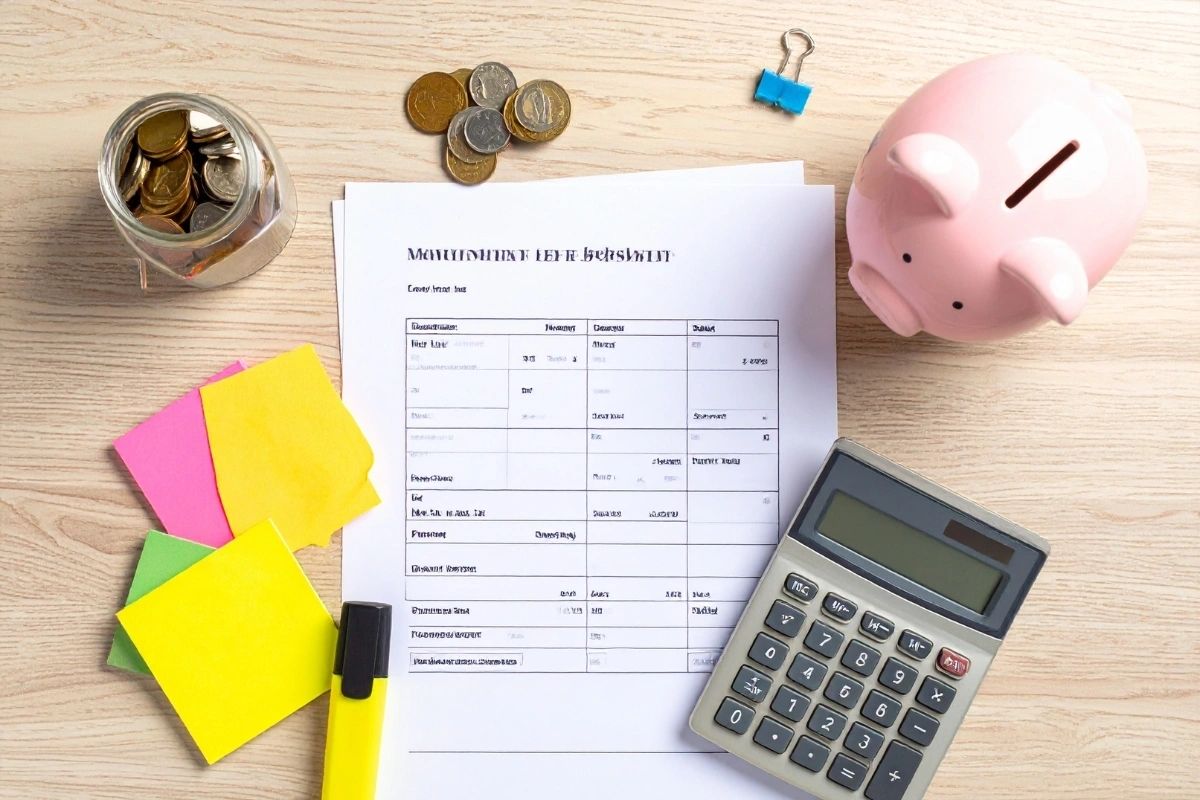
Using one bank account for everything may feel convenient, but it creates serious problems when tracking income and expenses.
For better tax compliance Philippines, freelancers should:
- Open a separate bank account
- Track payments per client
- Keep digital copies of invoices and receipts
This habit also helps when working with an accountant or bookkeeper.
4. Missing Tax Deadlines
Late filing penalties add up quickly. Many freelancers miss deadlines simply because they don’t know which forms to file or when.
Key deadlines usually involve:
- Quarterly percentage or income tax
- Annual income tax return
Missing these is one of the tax mistakes freelancers Philippines should prioritise avoiding.
5. Not Issuing Official Receipts
Some freelancers skip issuing official receipts to “keep things simple.” Unfortunately, this is a compliance red flag.
Issuing receipts is mandatory once registered, and failure to do so can invalidate expense claims and cause issues during BIR reviews.
6. Forgetting About Allowable Deductions
Another costly mistake is not claiming legitimate business expenses. Internet bills, software subscriptions, equipment, and even part of your home expenses may qualify.
Understanding freelancer tax tips like allowable deductions can significantly reduce how much tax you owe.
7. Assuming You Don’t Need Professional Help
Many freelancers try to handle everything themselves. While that works early on, growing income usually means more complex tax obligations.
Working with a professional who understands remote work taxes Philippines can prevent errors and free up your time.
You may find our article on building sustainable freelance systems helpful as your income grows.
8. Poor Record-Keeping Habits
Relying on memory or scattered screenshots is risky. Poor documentation is one of the freelancer tax errors that often leads to under- or over-reporting income.
Simple spreadsheets or accounting tools can dramatically improve accuracy and peace of mind.
Final Thoughts
Understanding and avoiding the most common tax mistakes Filipino freelancers make is essential for long-term success. Taxes don’t have to be overwhelming—with the right systems, awareness, and support, you can stay compliant while focusing on growing your freelance career.
For more insights on freelancing, systems, and remote work sustainability, explore more resources at Crafty Simon.