Why Underdeclaring Income Can Cost You More

Underdeclaring income in the Philippines can lead to BIR penalties, surcharges, interest charges, and tax investigations. Learn why accurate income declaration matters for Filipino freelancers, remote workers, and business owners.

Introduction
For many freelancers, self-employed professionals, remote workers, and small business owners in the Philippines, tax filing often becomes one of the most challenging parts of running a business. Between managing clients, delivering projects, handling invoices, and maintaining daily operations, tax compliance can sometimes be pushed aside. This is where some individuals—whether intentionally or unintentionally—fall into the habit of underdeclaring income.
Reporting less income than what you actually earn may seem like a quick way to lower your tax obligations. However, when it comes to the Bureau of Internal Revenue (BIR), inaccurate declarations can lead to much bigger financial and legal consequences. What may appear to be short-term savings can eventually result in penalties, interest charges, investigations, and long-term financial setbacks.
At Crafty Simon, we believe financial transparency and proper tax compliance are essential for building a sustainable freelance or business career.

What Does Underdeclaring Income Mean?
Underdeclaring income happens when an individual or business reports less income than what was actually earned during a taxable period. This can include:
- Unreported client payments
- Cash transactions not recorded
- Side hustle earnings
- Online business income
- Freelance project payments
- Consulting or service fees not declared
In the Philippines, all income earned—whether from local clients, overseas clients, digital platforms, or online businesses—may be subject to proper tax reporting depending on your tax classification and registration.
Some taxpayers assume that smaller transactions or overseas payments will go unnoticed. However, with increasing digital payment trails, banking records, and invoice documentation, inaccurate reporting can eventually raise compliance issues.
The Financial Cost of Underdeclaring Income
Many people think underdeclaring income helps reduce taxes. In reality, it often creates larger expenses later.
If the BIR identifies discrepancies in your tax filings, you may face:
- Deficiency tax assessments
- Surcharges on unpaid taxes
- Interest on late payments
- Compromise penalties
- Additional compliance reviews
Under Philippine tax regulations, penalties can accumulate quickly, especially if underreporting continues over multiple filing periods.
What may have started as an attempt to save money could end up costing significantly more than the original tax due.
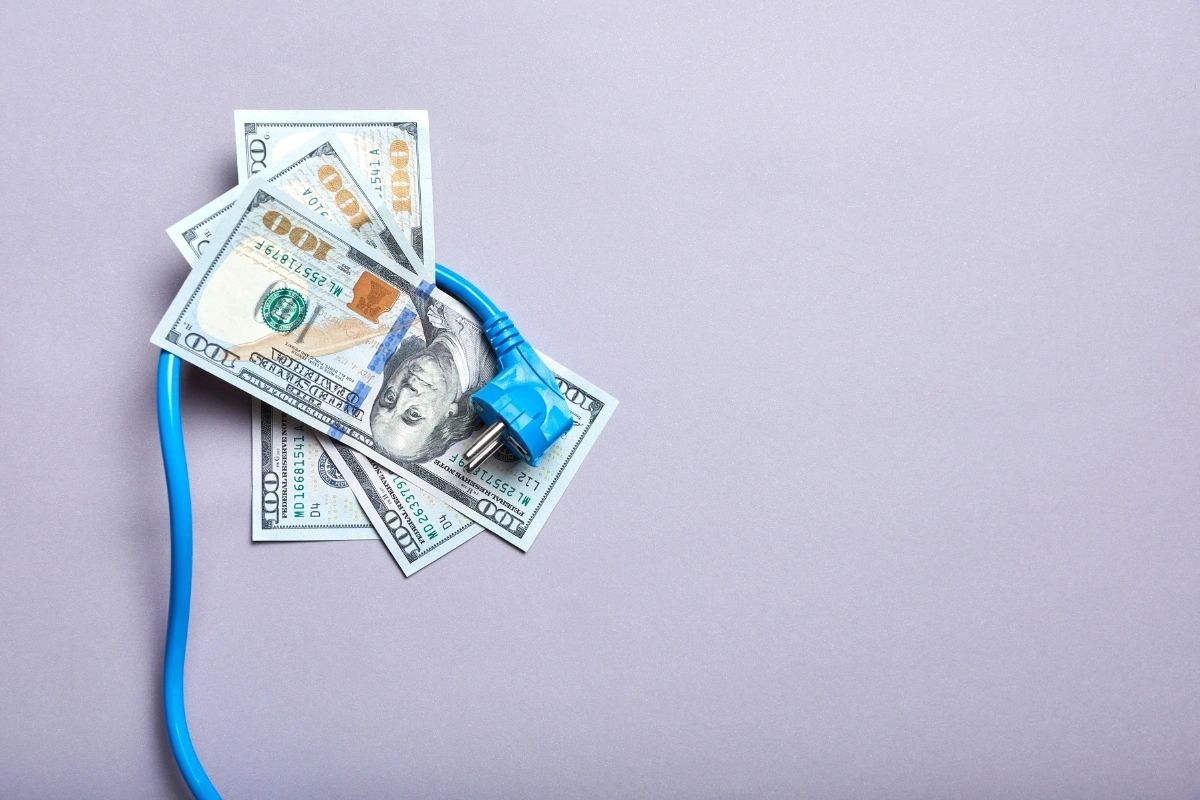
BIR Audits Can Be Costly and Stressful
One of the biggest risks of underdeclaring income is exposure to a tax investigation or audit.
During a compliance review, the BIR may request supporting documents such as:
- Official receipts or invoices
- Books of accounts
- Bank statements
- Contracts with clients
- Payment platform transaction records
- Tax returns and financial statements
For freelancers and self-employed professionals who work with multiple clients, gathering incomplete records can be stressful and time-consuming.
Maintaining tax record keeping practices from the beginning can help prevent compliance issues later.
It Can Hurt Your Financial Credibility
Accurate business tax reporting does more than keep you compliant—it also supports your credibility.
Your declared income may affect:
- Bank loan applications
- Credit card approvals
- Housing loan assessments
- Business financing opportunities
- Partnership or investor discussions
If your tax records show income that is significantly lower than your actual earnings, it may limit future financial opportunities.
For freelancers and entrepreneurs, documented income is often one of your strongest financial assets.
Why Freelancers and Online Business Owners Are More Vulnerable
Freelancers, remote workers, content creators, and online sellers often manage income from multiple sources:
- Bank transfers
- Digital wallets
- International payment platforms
- E-commerce sales
- Subscription income
- Project retainers
Without proper systems, some income may be forgotten, misclassified, or left undeclared.
This is why freelancer tax Philippines topics are becoming increasingly important as digital work continues to grow.
How to Stay Tax Compliant
Avoiding underdeclaring income starts with building good financial habits.
1. Track Every Source of Income
Record all payments, regardless of amount or source.
2. Maintain Proper Documentation
Keep invoices, receipts, contracts, and transaction records organised.
3. Update Your Books Regularly
Do not wait until tax deadlines before recording transactions.
4. Understand Your Tax Obligations
Review your registration, tax type, and filing schedule with the BIR eServices Portal.
5. Work With Tax Professionals
Professional guidance can help you avoid tax filing mistakes and remain compliant.
Final Thoughts
While underdeclaring income may seem like an easy way to reduce taxes, it often creates bigger financial problems in the future. From BIR penalties and interest charges to audits and reduced financial credibility, the risks usually outweigh the short-term savings.
For freelancers, remote workers, and business owners in the Philippines, accurate reporting is not just about compliance—it is about protecting your income, your reputation, and your future growth.
For more business, freelancing, and tax-related insights, visit Crafty Simon Blog.